Building Living Soil: A Beginner’s Complete Guide to Backyard Composting
Healthy gardens begin beneath the surface. Learn how to balance carbon and nitrogen, speed up decomposition, and turn kitchen scraps into dark, crumbly black gold.
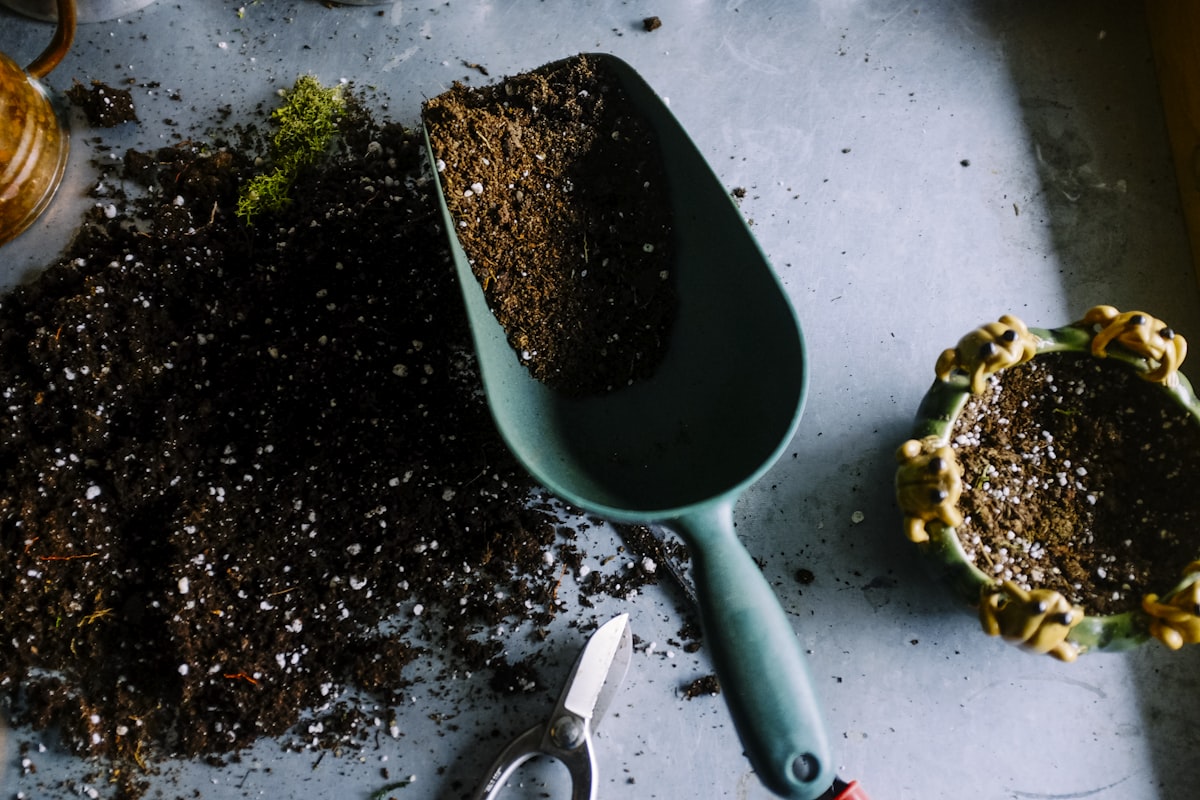
Why Living Soil Matters More Than Fertilizer
Synthetic fertilizers feed plants directly for a short burst, but compost feeds the entire underground ecosystem—beneficial bacteria, mycorrhizal fungi, and earthworms. When soil structure improves, sandy beds retain moisture longer and heavy clay drains cleanly without suffocating roots.
Adding just two inches of finished compost to garden beds each spring steadily raises organic matter, buffers soil pH swings, and suppresses common soil-borne pathogens naturally.
Mastering the Carbon-to-Nitrogen Balance
Successful aerobic composting relies on pairing nitrogen-rich "greens" with carbon-rich "browns." Aim for roughly two to three parts browns for every one part greens by volume.
- Nitrogen-Rich Greens: Vegetable peelings, fruit cores, coffee grounds, crushed eggshells, and fresh grass clippings.
- Carbon-Rich Browns: Shredded autumn leaves, unpainted cardboard, straw, dried garden stems, and untreated sawdust.
- What to Leave Out: Meat, dairy, cooking oils, pet waste, and perennial weeds that have gone to seed.
Moisture, Airflow, and Turning Schedule
Microorganisms require oxygen and water to break down organic fibers without producing odors. Your compost pile should feel like a wrung-out sponge—damp to the touch, never dripping.
Turn the pile every 10 to 14 days with a garden fork to move outer materials toward the warm center. Under warm conditions, a well-managed bin yields earthy, finished compost in 8 to 12 weeks.
Related Gardening Guides
 Indoor Plants
12 Resilient Indoor Plants That Thrive in Low-Light Rooms
North-facing windows and shaded apartments can still feel lush. Discover adaptable houseplants that tolerate dim corners and how to water them without root rot.
Read Guide Vegetable Gardening
How to Plan a High-Yield Raised Bed Vegetable Garden
Maximize harvests in compact spaces using companion planting, vertical trellises, and succession sowing from early spring through late autumn.
Read Guide Flower Gardening
Designing a Perennial Flower Border That Blooms Across Three Seasons
Combine layered heights, contrasting leaf textures, and staggered bloom times for a cottage-inspired border that supports bees and butterflies all year.
Read Guide